
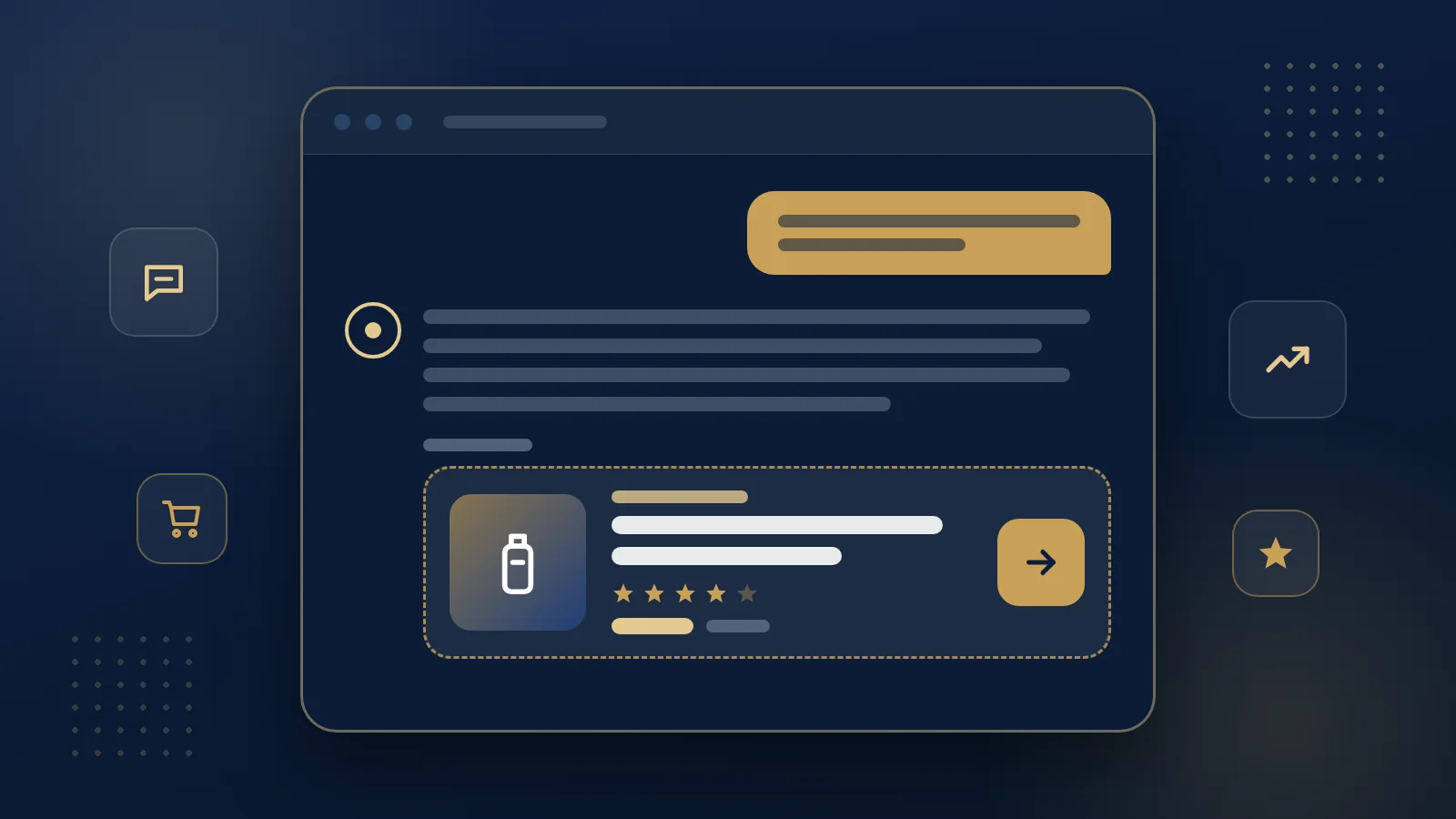
ChatGPT Ads began rolling out in Singapore on 24 September 2026, and Singapore businesses can now self-serve in OpenAI’s Ads Manager Beta from SGD 4 a day. Ads appear below answers for Free and Go users, are labelled as sponsored and do not change what ChatGPT says. Our view at Brands Win Agency: test them against one performance target.
What are ChatGPT Ads, and are they live in Singapore?
Yes. ChatGPT Ads are paid placements shown below ChatGPT’s answers, and their Singapore rollout began on 24 September 2026, alongside Indonesia, Malaysia, the Philippines, Thailand, Vietnam and Taiwan. That took ChatGPT Ads to more than 60 countries (MARKETECH APAC; TNGlobal). The product is still in beta. Each ad shows your brand name, logo, headline, description, image and landing page (OpenAI Help Center).
Who sees ChatGPT Ads?
Only users on the Free and Go plans. OpenAI says Plus, Pro, Business, Enterprise and Edu accounts do not have ads, and it does not show ads to accounts identified as belonging to people under 18 (OpenAI Help Center).
Ads sit below the response, labelled as sponsored. They do not appear near sensitive topics such as personal health or politics. Advertisers get aggregated reporting such as views and clicks, never users’ chats or personal details.
How to set up ChatGPT Ads in Singapore
You can self-serve through Ads Manager Beta, or go through OpenAI or its agency partners.
Self-serve: Ads Manager Beta
Sign up at ads.openai.com. The legal entity that advertises and is billed must be based in an available country, and Singapore is listed (availability). You add billing and complete account verification before campaigns deliver (quickstart). Country, currency and time zone are fixed once the account exists (account setup).
The simplest set-up is for the brand to create its own advertiser account under its registered legal name, then invite its agency as a user. OpenAI’s account set-up guide asks anyone managing several advertisers to keep a separate account for each one.
Managed: OpenAI or agency partners
Larger advertisers can use the OpenAI Ads Solutions team or launch agency partners dentsu, Havas Media, Omnicom Media, Publicis Groupe and WPP. Shopee was also named as a partner (MARKETECH APAC).
Campaign objectives: Views, Clicks or Conversions
Choose Views to pay per 1,000 impressions (CPM), Clicks to pay per valid click (CPC), or Conversions to optimise towards one standard conversion event (OpenAI Help Center).
Conversions campaigns are billed on clicks (oCPC) or impressions (oCPM), never per conversion. The objective has eligibility and setup requirements, including working Pixel or Conversions API tracking and a supported standard event (conversion-optimised campaigns). The objective cannot be changed after creation.
Budget: the SGD 4 daily minimum
The minimum daily budget for accounts billed in Singapore dollars is SGD 4 (Minimum Campaign Spend). A daily budget is an average over seven days, not a hard cap: one day can spend up to twice the amount, and a week up to seven times it (daily budgets). A campaign-total budget is the stricter control.
New self-serve accounts may at first advertise only in their home country, with other markets unlocking after identity verification and enough home-market spend (OpenAI Help Center). OpenAI does not publish average CPCs or CPMs.
Product feed campaigns for e-commerce brands
A product feed turns your catalogue into product ads with images, titles, star ratings, prices and sale prices (product feeds). Create it under Tools > Feeds; uploaded items expire after two weeks, so a hosted URL or SFTP feed is easier to keep current. New feed campaigns target by country only.
OpenAI says feed ads have been “among the strongest-performing ads” in its programme so far; that is OpenAI’s claim, not an independent benchmark. Its Shopify app is currently for US stores, with other ads markets promised shortly.
Tracking with the OpenAI Pixel and Conversions API
Leads and sales happen on your own site, tracked with the OpenAI Pixel, the Conversions API or both (conversion measurement). OpenAI adds a click reference called oppref to your landing page URL, so keep it intact through redirects. If you send a conversion through both methods, use the same event ID so it is de-duplicated.
Send data only with clear notice and consent where the law requires it; in Singapore, check your PDPA obligations. Reporting offers 7, 14 or 30-day click windows and a 0 or 1-day view window (measure results).
Restricted categories: what beauty and wellness brands must check
Several wellness and beauty offers cannot run in Singapore. OpenAI’s ad policies state that “Ads for health services outside the US are generally prohibited” and “Ads for financial services outside the US are generally prohibited.” Minimally invasive cosmetic procedures appear only on a US case-by-case list.
The wellness claims rules ban unsubstantiated health claims, naming diet pills, detox programmes, supplements marketed with unsupported health claims outside major retail channels, and health coaching. Products that exploit body-image concerns are also disallowed. General wellness products with no medical claims may be permitted.
The rules cover copy, images and landing pages, so a compliant ad cannot link to a page making the claim. Claims such as SPF protection must be truthful and substantiated.
Where ChatGPT Ads fit next to Meta, TikTok and Google
ChatGPT Ads are a test line, not a replacement. They reach people mid-research, which can suit considered purchases such as a new skincare routine. Keep most of your budget where performance is proven, fund a fixed test and judge it against the same performance target as your other channels. For help with that mix, see our paid media and creator services.
Paid ChatGPT Ads vs organic AI visibility
Paying for ads does not earn organic recommendations. OpenAI says ads run on separate systems from its chat model and advertisers cannot shape, rank or alter responses (OpenAI Help Center). Being named in answers takes separate work, such as keeping brand facts consistent across your site, marketplaces and listings. Our guide to how AI assistants decide which brands to mention covers that side.
How to run your first test
Start small, with one offer and one measure of success:
- One offer people can act on, checked against OpenAI’s ad policies.
- One specific landing page, or a clean product feed.
- The OpenAI Pixel or Conversions API plus UTM parameters, tested before launch.
- A fixed budget and test window.
- One performance target, such as cost per lead or cost per sale.
- A written log of changes and results.
Do not judge on day one: spend reporting can lag 7 to 8 hours, and conversions 24 to 48 hours.
FAQs about ChatGPT Ads in Singapore
Are ChatGPT Ads available in Singapore?
Yes. ChatGPT Ads began rolling out in Singapore on 24 September 2026, according to MARKETECH APAC and TNGlobal. OpenAI’s availability page lists Singapore for self-serve Ads Manager, so a Singapore-based business can sign up at ads.openai.com. The product is still in beta.
How much does it cost to advertise on ChatGPT in Singapore?
The minimum daily budget is SGD 4. You pay per 1,000 impressions, per valid click, or through conversion-optimised bidding billed on clicks or impressions, never per conversion. OpenAI publishes no average CPCs or CPMs, so set a fixed test budget.
Who sees ads in ChatGPT?
Free and Go users only. Plus, Pro, Business, Enterprise and Edu accounts have no ads, and OpenAI does not show ads to accounts identified as under 18. Ads appear below the answer, labelled as sponsored.
Do ChatGPT Ads change what ChatGPT recommends?
No. OpenAI says ads run on separate systems and advertisers cannot alter ChatGPT’s answers. Organic recommendations need separate work on your brand’s AI visibility.
Can beauty and wellness brands advertise on ChatGPT?
Many can. Lifestyle and consumer goods are in scope, but OpenAI’s policy says health services ads outside the US are generally prohibited, and it bans unsubstantiated wellness claims such as detox programmes and diet pills. Check your ads and landing pages against the policy before spending.
Can I track sales and leads from ChatGPT Ads?
Yes. Use the OpenAI Pixel, the Conversions API or both, with the same event ID. Conversions happen on your own site, with consent where the law requires it. Reporting offers 7, 14 or 30-day click windows and an optional 1-day view window.