
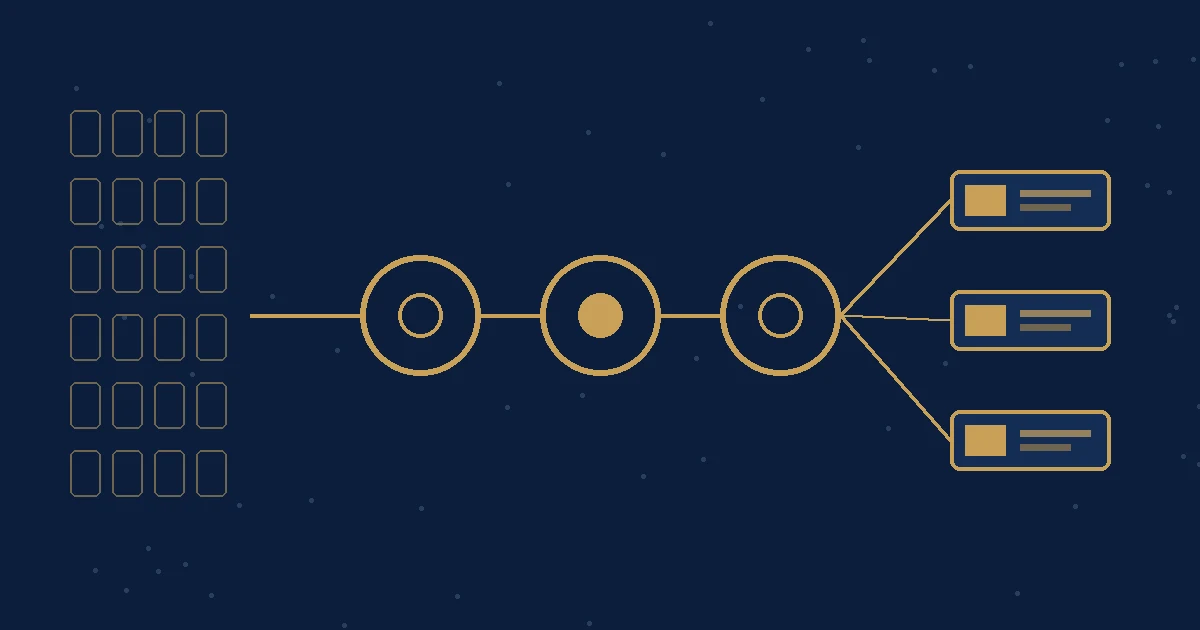
Meta ads ranking AI moved again on 28 October 2026, and Singapore brands preparing for 12.12 should treat that date as a creative and testing checkpoint, not a new campaign type to install. In a Meta for Business announcement dated 28 October 2026, Meta described three ranking innovations, Andromeda, GEM and GenRecs, that change how ads are considered, predicted and understood when new.
Meta is clear that the work lands in the live delivery stack. “These innovations apply to your ads automatically, improving your performance without you having to tune your campaigns.” Brands still decide the outcomes, the creative volume and diversity the system can choose from, and the measurement hygiene that defines winning. That is the practical story before 12.12.
What Meta announced on 28 October 2026
Meta says it has been rebuilding the systems that decide which ads get considered, how well performance is predicted, and how quickly a brand-new ad can start working. This year’s ranking work covers three jobs: considering more of the ads you have made, predicting better across apps, surfaces and objectives at once, and using large language models to understand what an ad is about while remembering past responses.
As Meta’s published claim for the second quarter of 2026, “improvements to Meta’s ads ranking system drove an 8.3% more ad clicks and a 15.7% uplift in conversions on Facebook”. That is Meta’s aggregate ranking claim for that period, not a Singapore client result.
The same post closes with the operating rule brands should keep: every improvement reaches the account automatically, with no setting to switch on, no new campaign type and no migration. How much you get still depends on the outcomes you set, the quality of the data you share, including how you measure performance, and how much optimisation you leave to the models.
Andromeda: retrieval that considers more of your ads
Meta Andromeda is Meta’s ads retrieval engine, the first step in ranking, where a huge eligible pool is narrowed to the shortlist that may be shown. The next generation routes each ad to specialised expert models so retrieval brings nearer ranking-level judgement into that first cut.
For advertisers, Meta puts the business meaning plainly: “more of your ads, creative variations and products are considered for each person”. Near-duplicate 12.12 creatives leave the system less real variety to shortlist. Distinct angles, offers, product cuts and formats give Andromeda more useful options.
Meta also reports that, since 2025, “Meta Andromeda has delivered a 2.4% increase in conversions on Facebook”. That is Meta’s published product claim, not a Brands Win client figure.
For light technical context, Engineering at Meta’s 28 October 2026 Andromeda post notes retrieval scoring every eligible ad and surfacing top candidates at over one billion ads per second, so better matching can span a larger candidate pool inside the same latency budget. That is why creative breadth matters; this guide stays on the brand checklist.
GEM: one foundation model across surfaces and objectives
GEM, Meta’s Generative Ads Recommendation Model, is no longer framed as a limited-surface experiment. Meta says it is “now the foundation model behind ads recommendations across Facebook, Instagram, Reels and off-Meta-conversions”, trained at large language model scale, for major goals from website conversions to app installs.
The practical shift is knowledge transfer. GEM teaches the models that rank ads in real time across surfaces and objectives, instead of each surface improving only on its own timeline. Meta states that “Campaigns with few conversions now benefit from what GEM learns about other clicks data, so advertisers with deep-funnel objectives gain better performance.”
For Singapore brands running purchase or lead campaigns with thinner conversion volume, that does not replace clean event setup or a clear performance target. It does mean sparse deep-funnel campaigns are less isolated from what the wider ranking stack learns, if conversion signals stay trustworthy and creative variety stays real.
GenRecs: faster understanding for newer ads
Meta Generative Recommender, GenRecs, improves predictions by enriching large language models with world and ad-ecosystem knowledge so the system can reason about ad content and user preferences together. Meta highlights the value for brand-new ads with little engagement history.
Tokenisation gives ads a shared semantic vocabulary from text and images, so limited-history items can relate to ads the system already knows. GenRecs also enriches Andromeda retrieval by matching a person’s ideal ad semantic ID to available creatives.
Meta’s brand-facing line should shape 12.12 creative ops: “new ads, refreshed creative and new products get on a faster track to performing” because the system can understand them through similar ads and products it already knows. Recycling only last year’s winners under-uses that ramp path.
A pre-12.12 checklist for Singapore brands
Use this checklist while you build sale creative and again when you refresh catalogues for December:
- Ship distinct creative variations, not near-duplicates. Andromeda considers more of your ads, creative variations and products. Change the angle, offer, product focus, hook or format enough that a person would recognise a real difference.
- Refresh creative so new ads can be understood. GenRecs helps newer ads and products ramp through semantic understanding. Launch the refreshed set early enough that learning is not starting on 12 December morning.
- Keep testing one variable at a time. Ranking AI does not replace a disciplined test plan. Our guide to Meta ads creative testing for Singapore brands remains the process reference.
- Align audience and creative without repeating old briefs. Pair each major creative lane with Meta audience per ad creative, and use Meta Partnership Ads when creator content is part of the sale story.
- Respect placement intent. If placements must stay off for brand or offer reasons, set that with Meta ad placement controls rather than hoping ranking will guess.
- Keep measurement hygiene clean. Outcomes, data quality and how you measure performance still shape how much you get from automatic ranking improvements. Confirm key conversion events, avoid duplicate fires, and agree one performance target for the 12.12 review.
- Do not confuse Muse with ranking. Meta Muse is a creative-side AI agent topic. Andromeda, GEM and GenRecs sit in retrieval, prediction and new-ad understanding.
For channel mix context, see Meta vs TikTok ads. Our recommendation: treat the 28 October 2026 ranking update as a prompt to widen useful creative diversity and tighten testing discipline before 12.12, not as a reason to rebuild every campaign structure.
How this fits with other Meta controls
Ads ranking AI sits underneath delivery. It does not replace creative testing, audience-per-creative pairing, Partnership Ads, placement limits or Muse-led production work covered in the checklist links above. Our recommendation is to run ranking readiness as a creative-supply and measurement check alongside those controls, not instead of them.
Building it into a 90-day plan
Automatic ranking gains compound when creative supply and measurement stay healthy all quarter, not only in the week before a mega sale. We are planning to fold an Andromeda, GEM and GenRecs readiness review into Growth System 90, our 90-day planning approach, so media, creative and ecommerce agree what enough distinct variations, refreshed new-product creative and clean conversion events mean before each sale.
In practice: audit creative diversity monthly, refresh new SKUs and offers early enough for GenRecs to understand them, keep one-variable tests on a fixed calendar, then scale into 12.12. Set one performance target for the ranking-readiness review, whether that means broader shortlisting, faster ramp on new ads, or fewer near-duplicate launches.
Hypothetical illustration, not a client example: a Singapore beauty brand preparing a 12.12 Meta push finds eight creatives that only swap a headline colour, plus a new serum SKU still using last season’s lifestyle cutdown. The team rebuilds five genuinely different angles, shoots a clear product-led set for the serum, keeps a single test variable on offer depth, confirms purchase events fire once, and briefs creators for Partnership Ads separately from catalogue ads. No result numbers are claimed for this illustration.
For hands-on Meta campaign support, see our Meta Ads services.
FAQs
What did Meta announce about ads ranking AI on 28 October 2026?
Meta for Business described three ads ranking innovations: Andromeda for retrieval that considers more ads, creative variations and products; GEM as a foundation model across surfaces and objectives with knowledge transfer; and GenRecs for LLM-based understanding that helps newer ads. Meta says the innovations apply to ads automatically.
Do Singapore brands need to switch on Andromeda, GEM or GenRecs?
No. Meta says every one of these improvements reaches your account automatically, with no setting to switch on, no new campaign type to adopt and no migration to plan. Brands still control outcomes, creative supply, measurement quality and how much optimisation they leave to the models.
What is Meta Andromeda in plain terms?
Andromeda is Meta’s ads retrieval engine, the first ranking step that narrows a huge eligible ad pool to a shortlist. The newer system routes ads to specialised expert models so more of your ads, creative variations and products can be considered for each person inside that first cut.
How does GEM help campaigns with few conversions?
Meta positions GEM as the foundation model behind ads recommendations across Facebook, Instagram, Reels and off-Meta conversions. Through knowledge transfer, campaigns with few conversions can benefit from what GEM learns about other clicks data, which Meta says helps advertisers with deep-funnel objectives.
Why does GenRecs matter when you refresh creative before 12.12?
GenRecs uses large language models to understand ad content and relate newer ads to what the system already knows. Meta says new ads, refreshed creative and new products get on a faster track to performing, which rewards brands that launch clear, distinct creative before the sale peak rather than only recycling old winners.
What should Singapore brands change in creative and testing before 12.12?
Add genuinely distinct creative variations, refresh new-product and offer ads early, keep one-variable creative tests, align audience and Partnership Ads where relevant, set placement limits deliberately, and keep conversion measurement clean. Ranking AI applies automatically; creative diversity and testing discipline are still your job.