
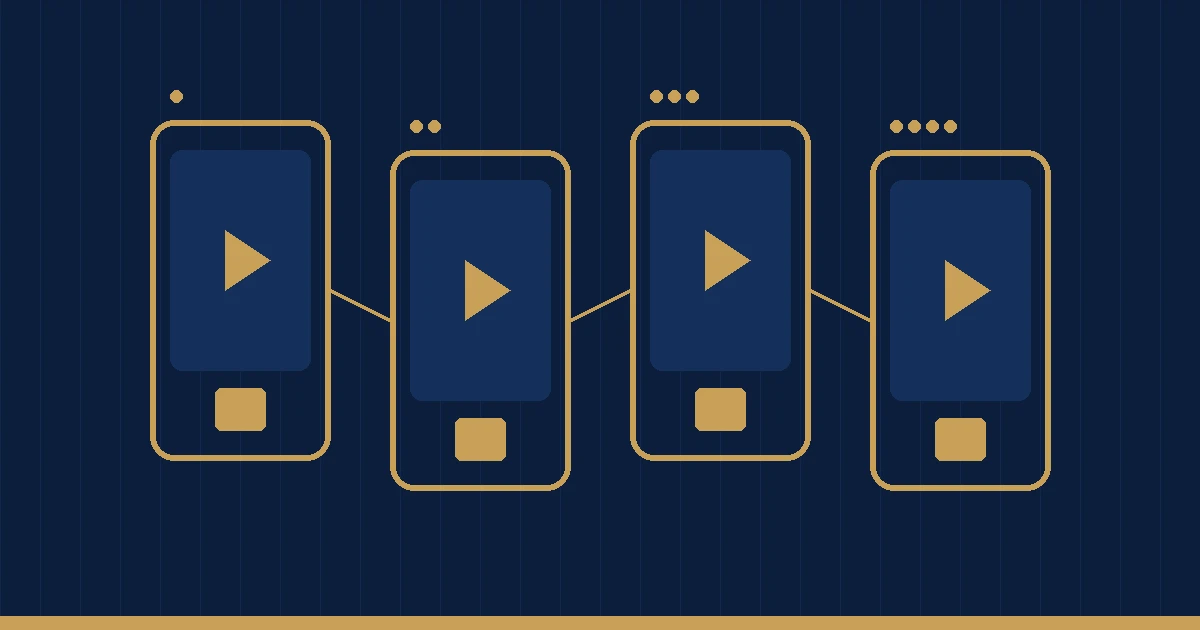
YouTube Shorts series gives creators a way to turn short vertical videos into proper shows. In its post Connect with creators on the biggest screen with YouTube’s latest features, dated 23 September 2026, YouTube said: “Starting today, Shorts series is rolling out to creators, across web, mobile, and TV.”
A month later, YouTube followed up with The evolution of web series on YouTube: Microdramas, dated 27 October 2026, which focuses on this region: “Creators across the Asia-Pacific region are taking the speed and style of Shorts and turning them into full mini-series.”
For Singapore consumer brands, this opens a new kind of creator collaboration: a short, serialised story with your product woven in, published as a series rather than a one-off post. This guide covers what Shorts series is, why microdramas suit consumer brands, and how to plan, publish and measure one with a creator.
What Shorts series is
YouTube describes the feature this way: “With Shorts series, creators can now structure their Shorts into seasons and episodes, while new features like custom thumbnails and sequential playback make it seamless for viewers to discover new Shorts and keep watching.”
In practice, that means:
- Seasons and episodes. Shorts can be grouped into a structured series instead of sitting as separate uploads.
- Custom thumbnails. Each series can be presented with its own artwork.
- Sequential playback. Viewers can move from one episode to the next in order.
- Every screen. YouTube says the rollout covers web, mobile and TV.
Two points matter for brands. First, Shorts series is a creator feature for organising content on a channel, not an advertising product. Brands take part through the creators they work with, or through their own channel. Second, YouTube announced the rollout to creators, but that does not mean every channel sees it at the same moment. Check YouTube Studio on the channel that will publish the series to see whether the option is there.
YouTube has also said it will revamp members-only episodes on mobile in the coming weeks. We expect this to matter more to creators building their own income than to brands, but it is worth knowing about if a partner creator plans to put some episodes behind a membership.
Why microdramas suit consumer brands
A microdrama is a short, multi-part story told in vertical video. YouTube’s 27 October post says creators are moving beyond standalone skits: “they’re writing multi-part dramas told in fast-paced 60-second scenes”. The same post notes that some creators already partner with brands on branded short dramas, weaving a brand’s message into their stories.
For consumer brands, the format has some clear strengths:
- Story arcs keep people watching. A cliffhanger at the end of one episode gives viewers a reason to look for the next.
- Recurring characters build familiarity. Viewers come back for the people, and the product comes along with them.
- The product can live inside the story. Instead of a straight endorsement, the product can solve a problem, start a conversation or become a running joke.
- Series keep working. A structured series makes it easier for new viewers to start from the beginning rather than land on a random episode.
Our view is that microdramas suit everyday consumer categories especially well: food and drink, beauty, fashion, home and lifestyle products that naturally appear in daily scenes.
Planning a branded microdrama with a creator
A branded series needs more planning than a single post, because every episode has to work on its own and as part of the whole. Our recommendation is to agree the following before anything is filmed.
Fit with the creator’s format. Choose a creator who already tells stories, and let the series feel like their work. A creator known for comedy sketches will make a different microdrama from one known for slice-of-life drama. Our guide to writing an influencer campaign brief covers how to brief for fit.
Series arc and episode hooks. Agree the overall story, how many episodes it runs, and how each one ends. Each episode needs its own hook in the opening seconds and a reason to watch the next.
Where the product appears. Decide which episodes feature the product and how. Natural placement inside a scene usually sits better than a hard sell, and a light touch across several episodes often works better than one heavy moment.
Disclosure of paid partnerships. Any paid or gifted collaboration should be clearly disclosed on every episode, using YouTube’s own disclosure tools and plain words in the description. Check the current rules that apply to your category with proper advice.
Approvals. Agree in advance who approves scripts, rough cuts and final episodes, and how quickly. Series move fast, and slow approvals break the publishing rhythm.
A publishing rhythm. Plan a regular schedule so viewers know when the next episode lands. Consistency helps a series build an audience.
Measuring a branded microdrama
A series should be judged as a series, not episode by episode in isolation. Our recommendation is to set one business performance target first, such as branded searches, site visits or sales in a campaign period, and then read the creative signals alongside it:
- Views across episodes. Look at how viewing holds up from the first episode to the last.
- Drop-off between episodes. A sharp fall after one episode can point to a weak hook or an ending that did not land.
- Comments. Read what viewers say about the characters, the story and the product. Comments are often the best early signal of whether the product placement feels natural.
- Searches. Watch for searches of your brand or product name during and after the series.
We make no promises about views or reach. The format is new for most brands, so treat the first series as a learning exercise. Our guide to short-form video SEO covers how titles and descriptions help short videos get found.
Fitting it with paid media
A branded microdrama starts as organic creator content, but brands may want to put paid support behind the best episodes. Our guide to YouTube creator partnerships explains how brands can work with creator content in YouTube campaigns, so we will not repeat it here. If the goal is reach for a finished series, our guide to YouTube video reach campaigns covers that campaign type.
If you plan to test different cuts or hooks in paid media, keep the tests clean. Our guide to Meta ads creative testing sets out testing principles that carry across platforms.
Hypothetical illustration, not a client example: a Singapore kopi brand works with a local comedy creator on a short office-romance series. The brand’s drinks appear naturally in each episode, at the pantry, in a morning meeting, as a peace offering after an argument. Every episode carries a clear paid partnership label. Between episodes, the brand reads the comments to see how viewers react to the characters and the product, and shares what it learns with the creator before the next script is final.
Planning a series into your quarter
A microdrama takes time to plan, film and publish, so it works best inside a longer content plan rather than as a last minute idea. In our Growth System 90 planning approach, a creator series would be scoped early in the quarter, published in the middle, and reviewed against the performance target at the end.
For brands that want support with creator series or paid media, our influencer marketing services page and performance marketing services page explain how we approach this work.
FAQs
What is YouTube Shorts series?
Shorts series is a YouTube feature that lets creators structure their Shorts into seasons and episodes, with custom thumbnails and sequential playback so viewers can keep watching in order. It is a creator feature for organising content on a channel, not an advertising product.
What is a microdrama?
A microdrama is a short, multi-part story told in vertical video. YouTube describes creators in the Asia-Pacific region writing multi-part dramas told in fast-paced 60-second scenes, with story arcs and recurring characters that keep viewers coming back for the next episode.
Is Shorts series available in Singapore?
YouTube announced on 23 September 2026 that Shorts series is rolling out to creators across web, mobile and TV. Availability on a given channel may vary as the rollout continues, so check YouTube Studio on the channel that will publish the series.
Should brands make their own microdrama or work with creators?
Both can work, but many brands will find it easier to start with a creator who already tells stories and has an audience that expects episodes. Our recommendation is to choose a creator whose format fits the series and give them room to make it feel like their own work.
How long should each episode be?
The format is short. YouTube’s 27 October 2026 post describes creators writing “multi-part dramas told in fast-paced 60-second scenes”. Each episode should have a strong hook in the opening seconds and end with a reason to watch the next one.
How do we measure a branded microdrama?
Set one business performance target first, such as branded searches or sales in a campaign period. Then look at views across episodes, drop-off between episodes, comments about the story and product, and searches for your brand during and after the series.